
Building the Institutional Future of African Sport
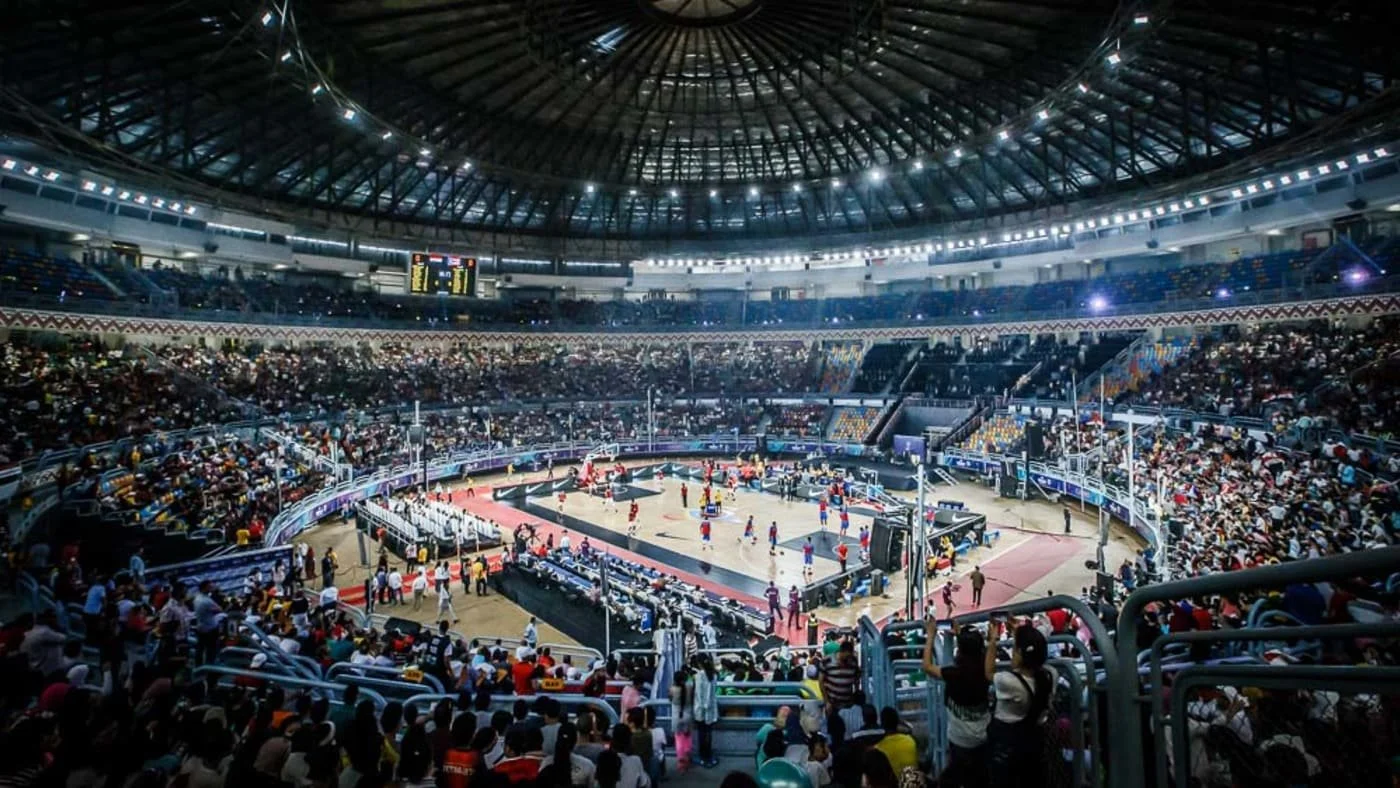
Global sport has entered a new era of capital intensity.
Over the past decade, private equity, sovereign wealth funds, family offices, and strategic operators have deployed significant capital into teams, leagues, media rights, data platforms, betting ecosystems, and infrastructure. Sport has matured into a global asset class with rising valuations, new league formations, and increasing institutional allocation.
Africa now sits at the early stage of this structural shift.
The continent possesses two of the scarcest structural inputs for long-term success in global sport: a rapidly growing youth population and abundant athletic talent — supported by an increasingly digital, mobile-first audience.
Yet Africa still falls short of fulfilling its sporting potential. From global leagues to the Olympic stage, athletes born on the continent and across its diaspora consistently perform at the highest level. But too often, these moments of excellence are achieved despite the ecosystem at home rather than because of it. In a market where talent and demand are abundant, commercial structures remain underdeveloped and undervalued.
This gap is becoming more consequential as Africa approaches a demographic inflection unprecedented in modern history. By 2050, nearly 40% of the world’s youth will be African. That shift will reshape labor markets, consumer demand, and global capital flows. Whether it becomes a demographic dividend or a missed opportunity will depend on how quickly durable institutions, meaningful jobs, and sustainable pathways are built.
In sport, Africa does not lack passion, talent, or audience demand. It lacks institutional architecture: credible governance at the federation and league level; well-structured and well-organized competitions; data-driven fan engagement systems; modern venues and infrastructure; disciplined monetization engines — data, ticketing, merchandising; youth academies feeding professional pipelines, and patient, accountable ownership.
That architecture is the bridge between potential and performance.
When it is introduced effectively, commercial value follows. Media distribution broadens and rights values strengthen, sponsorship deepens, digital content scales globally, teams and leagues evolve from local platforms into national and regional institutions that, over time, become globally relevant brands.
Commercial strength then underpins sustainable returns and sustainable impact. Leagues and teams transition from loss-making to generating predictable profits. Sport becomes an investable, cash-generating industry. Valuations rise and converge toward global benchmarks as institutional standards and economic fundamentals align, and durable impact follows — jobs are created, participation expands, and clearer elite pathways emerge for African youth.
When institutional foundations are built correctly, value compounds — and it compounds within African markets.
After two decades in global investment banking, I helped scale NBA Africa to an enterprise value approaching $1 billion — including the establishment of the Basketball Africa League. I saw firsthand both the magnitude of the opportunity and the structural gaps that remain. I saw what becomes possible when global standards, operating discipline, and long-term capital are applied thoughtfully within the African ecosystem. I also saw the need to create more and stronger institutional architecture to enable the successes of NBA Africa and the BAL to become more widespread across the African sports landscape. I also saw that leagues and franchises alone are not enough. What is required is ecosystem capital — patient, disciplined, and aligned with long-term institution-building.
Lions Range was founded to provide exactly that.
We are a pan-African investment platform focused on building the commercial foundations of the continent’s sports economy. We invest across the value chain — leagues, teams, and franchises; monetization engines (data, ticketing, merchandising); infrastructure; digital and media content and distribution; and fitness and wellness assets. Our model is grounded in long-duration capital, active ownership, institutional governance, local partnerships executed to global standards, and pan-African scale with global reach.
We prioritize good governance. We invest in well-governed entities — or where reform is achievable and the upside justifies the effort. We seek to build institutions that endure, businesses that are sustainably profitable, and platforms that create jobs, develop talent, and anchor economic value within African markets over the long term.
This decade is decisive. Global trends in sports finance, demographic shifts, digital consumption, diaspora engagement, and international interest in African sport are converging in ways that will shape the industry for generations. For investors, this convergence represents an early point of entry into an asset class that is still forming. The foundations laid now will determine how African sport evolves into a mature, distinct, and investable category capable of driving sustained job creation and long-term economic growth.
Lions Range recognizes the compelling opportunity that already exists and is committed to the disciplined, long-term work required to unlock it.
If you are an investor who believes in institution-building, an operator shaping the future of African sport, a partner aligned with patient capital and disciplined execution, or a world-class professional seeking to help build something generational, we invite you to engage with us.
In the weeks ahead, we will share more on our investment philosophy, structural approach, and the ecosystem themes shaping African sport.
Victor Williams,
Founder and Managing Partner, Lions Range